Cold-Weather Conditioning for Hunting Dogs
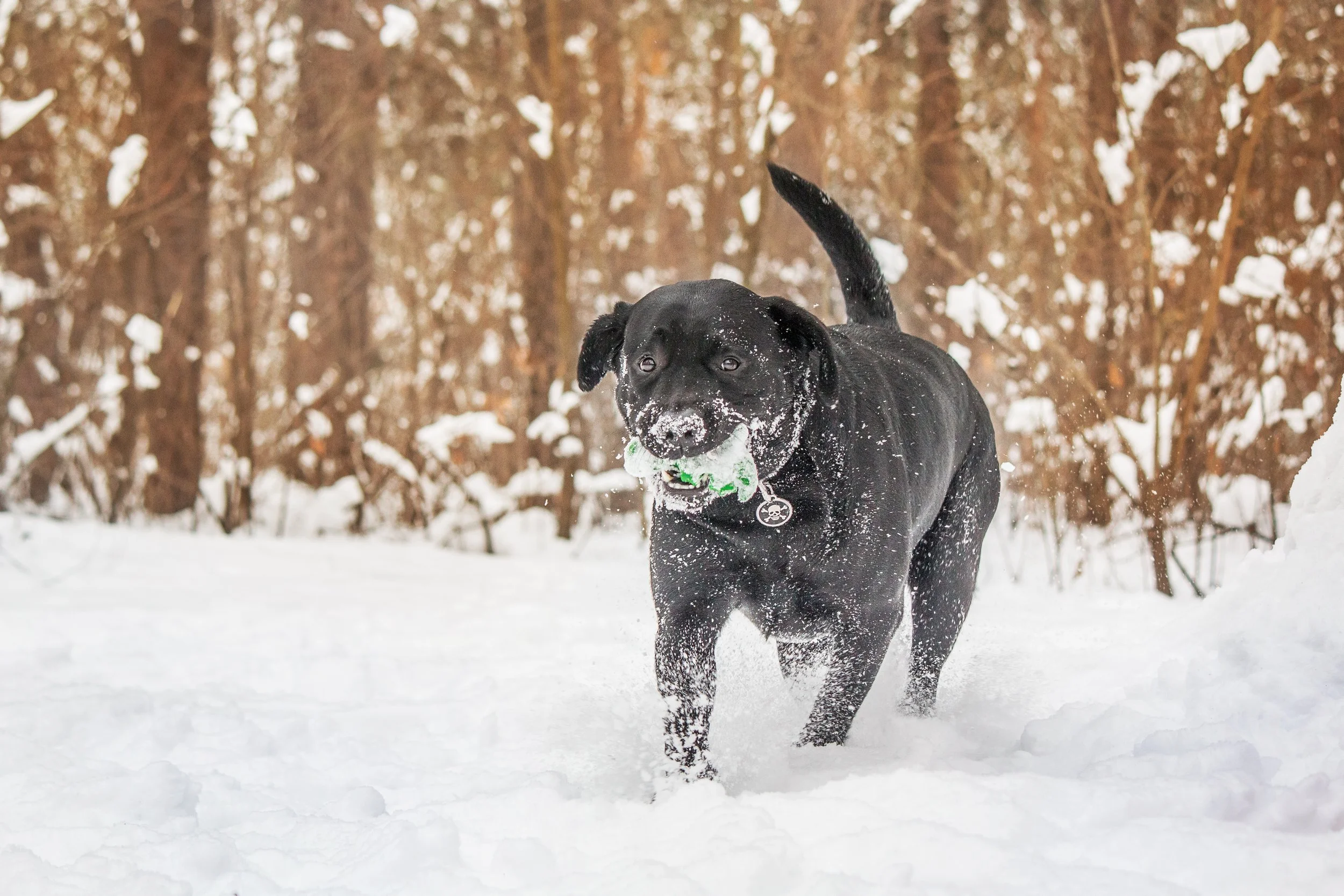
For many hunters, the colder months mark the height of the season. Crisp mornings, frost-covered fields, and icy waters are part of the adventure, and loyal canine partners are right there in the thick of it. But while most working breeds are hardy, the cold presents unique challenges. Hunting dogs expend enormous amounts of energy in low temperatures, and without proper preparation, they can face risks ranging from hypothermia to frostbite.
Cold-weather conditioning ensures your dog stays safe, strong, and ready for long days in the field. Just as athletes train and prepare for seasonal demands, hunting dogs need specific conditioning to thrive in winter environments.
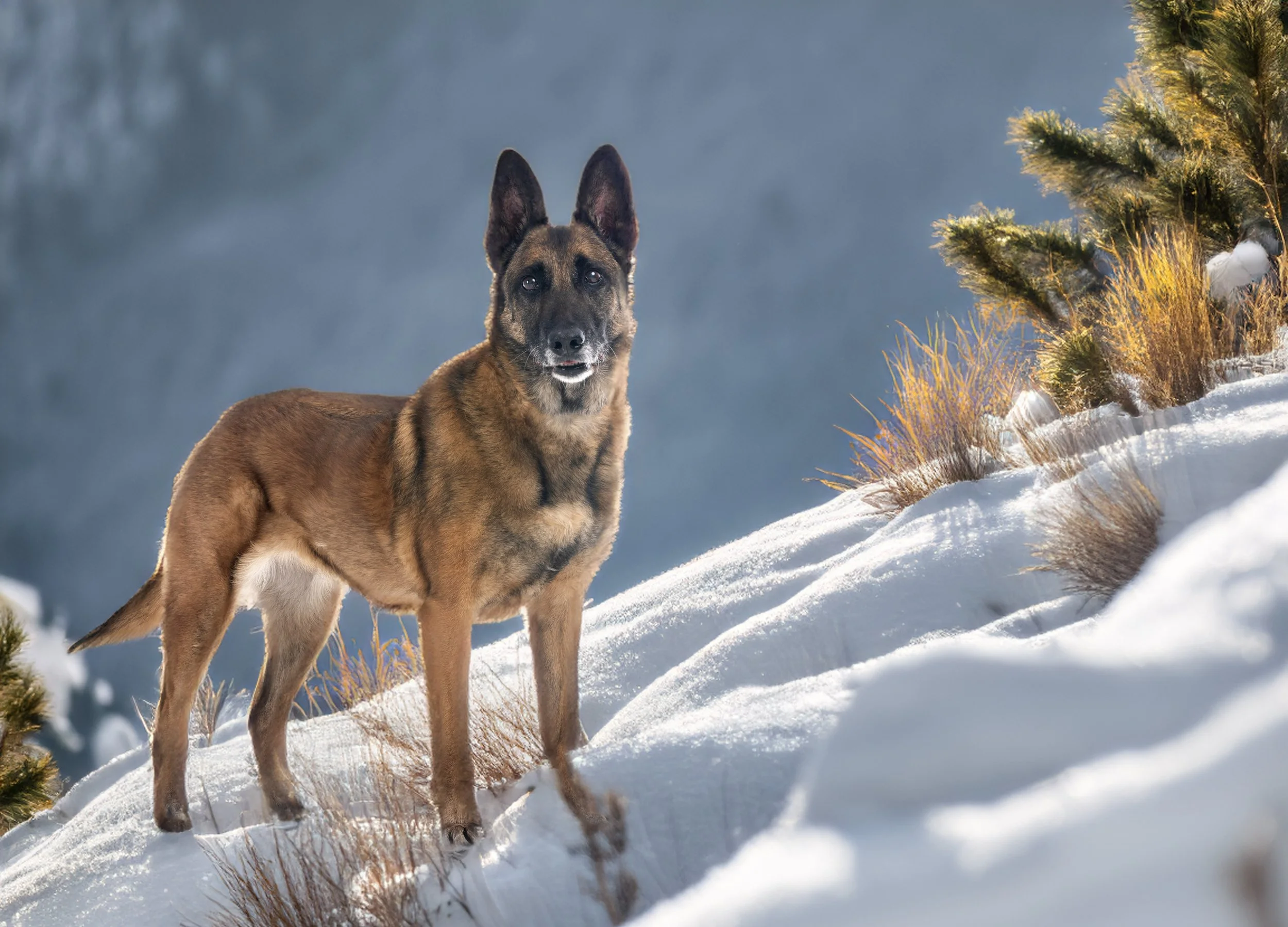
1. Why Cold-Weather Conditioning Matters
Hunting dogs are natural athletes, but cold weather puts extra stress on their bodies. Extended exposure to frigid temperatures, icy water retrieves, and uneven terrain all take a toll. Even tough retrievers and pointing breeds can push themselves past safe limits if their handlers aren’t intentional about conditioning.
The dangers aren’t always obvious. Hypothermia can set in when a dog’s body temperature drops too low, causing shivering, lethargy, and even disorientation. Frostbite, especially on ears, tails, and paws, can occur silently in freezing wind. Dehydration is another hidden risk, as dogs lose moisture through heavy breathing in cold, dry air, even if they don’t appear thirsty.
Conditioning helps reduce these risks by building endurance, acclimating the body to cooler environments, and ensuring dogs have the strength and stamina to perform at their best throughout the season.
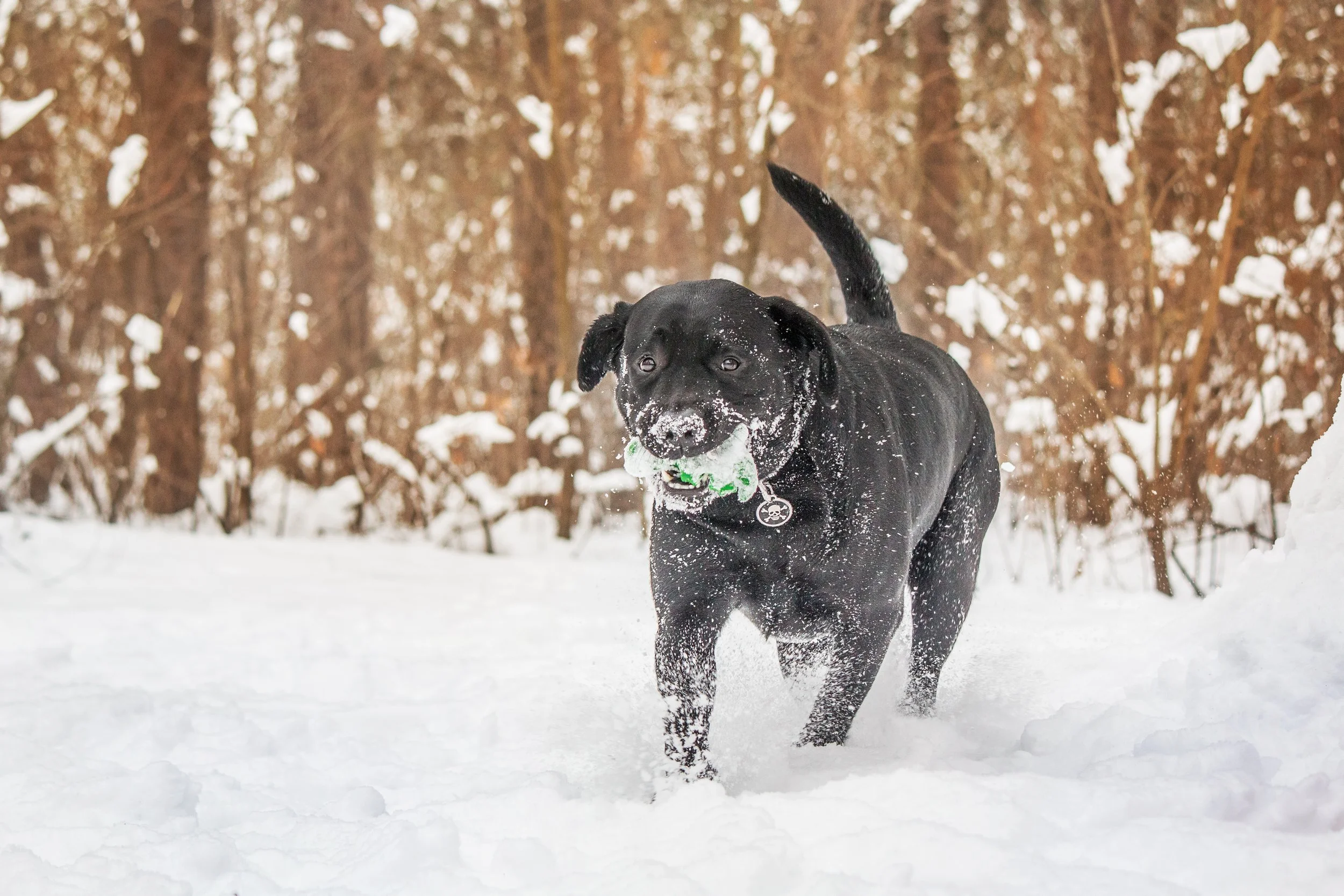
2. Building Endurance and Fitness
The best way to prepare a dog for cold-weather hunts is to start conditioning early. Gradual exposure to cooler temperatures allows their body to adjust before long days afield. Begin with shorter training sessions outdoors as the weather cools, then slowly extend the duration.
Year-round conditioning pays off here. A dog that stays fit during spring and summer is better equipped to handle the physical demands of winter. Activities like swimming, running, and agility drills build strong muscles and resilient joints that can withstand icy ground and slippery surfaces.
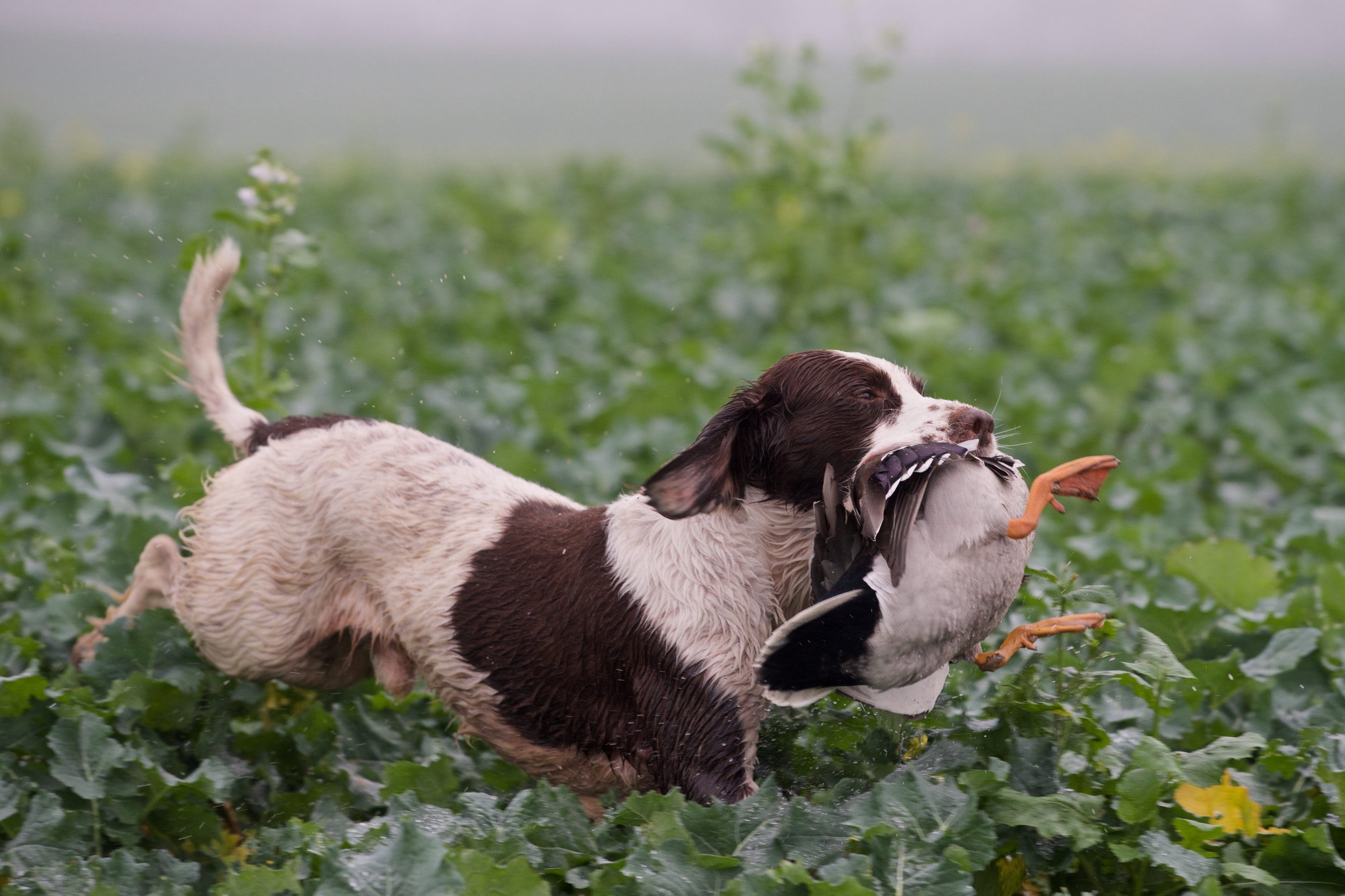
Endurance training should also mimic the work your dog will do during hunts. Practice longer retrieves, field runs, or steady pointing sessions in varied terrain. This not only builds physical stamina but also reinforces focus in real-world conditions. By gradually layering intensity and duration, you set your dog up for safe, sustainable performance when hunting season peaks.
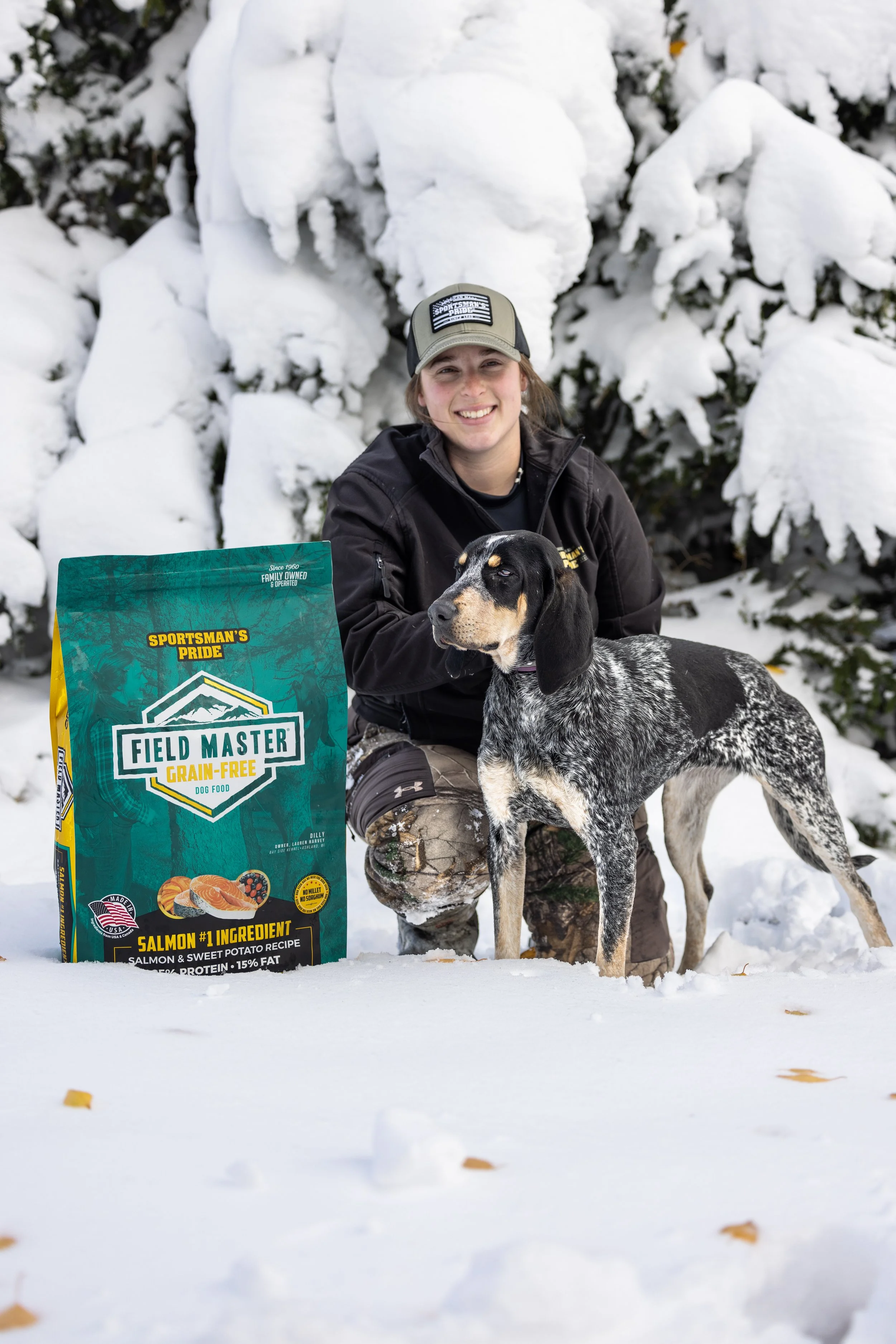
3. Nutrition and Hydration in Cold Weather
Cold-weather work requires more energy. Dogs burn additional calories just to maintain body heat, and when combined with strenuous exercise, their energy needs can rise significantly. Feeding working dogs a higher-calorie diet during hunting season helps fuel their performance and supports recovery. Protein and fat are particularly important, as they provide lasting energy and aid in muscle repair.
Hydration is just as critical in winter as it is in summer—sometimes even more so. The cold can dull a dog’s natural thirst response, making it easy for them to become dehydrated without obvious signs. Encourage water breaks regularly, even if your dog doesn’t seek them out. Carry a supply of fresh, unfrozen water, since ponds or puddles may be unsafe or iced over.
Balanced nutrition and hydration keep your dog energized, focused, and resilient during long hours in the cold.

4. Protecting Paws and Extremities
A hunting dog’s paws take a beating in winter conditions. Ice, snow, and road salt can crack pads, cause irritation, or lead to painful injuries. To protect them, trim the fur between paw pads to prevent ice build-up, and inspect feet daily for cuts or cracks. Rinsing paws after exposure to salt or chemicals helps avoid irritation, while protective balms or waxes can create a barrier against harsh conditions.
Frostbite is another concern in freezing weather, particularly on ears, tails, and paws. Watch for pale, grayish, or cold skin, which can indicate tissue damage. Prevention is key: keep sessions in extreme conditions short, and give your dog opportunities to warm up between runs.
By caring for these vulnerable areas, you safeguard your dog’s comfort and prevent small issues from becoming season-ending injuries.
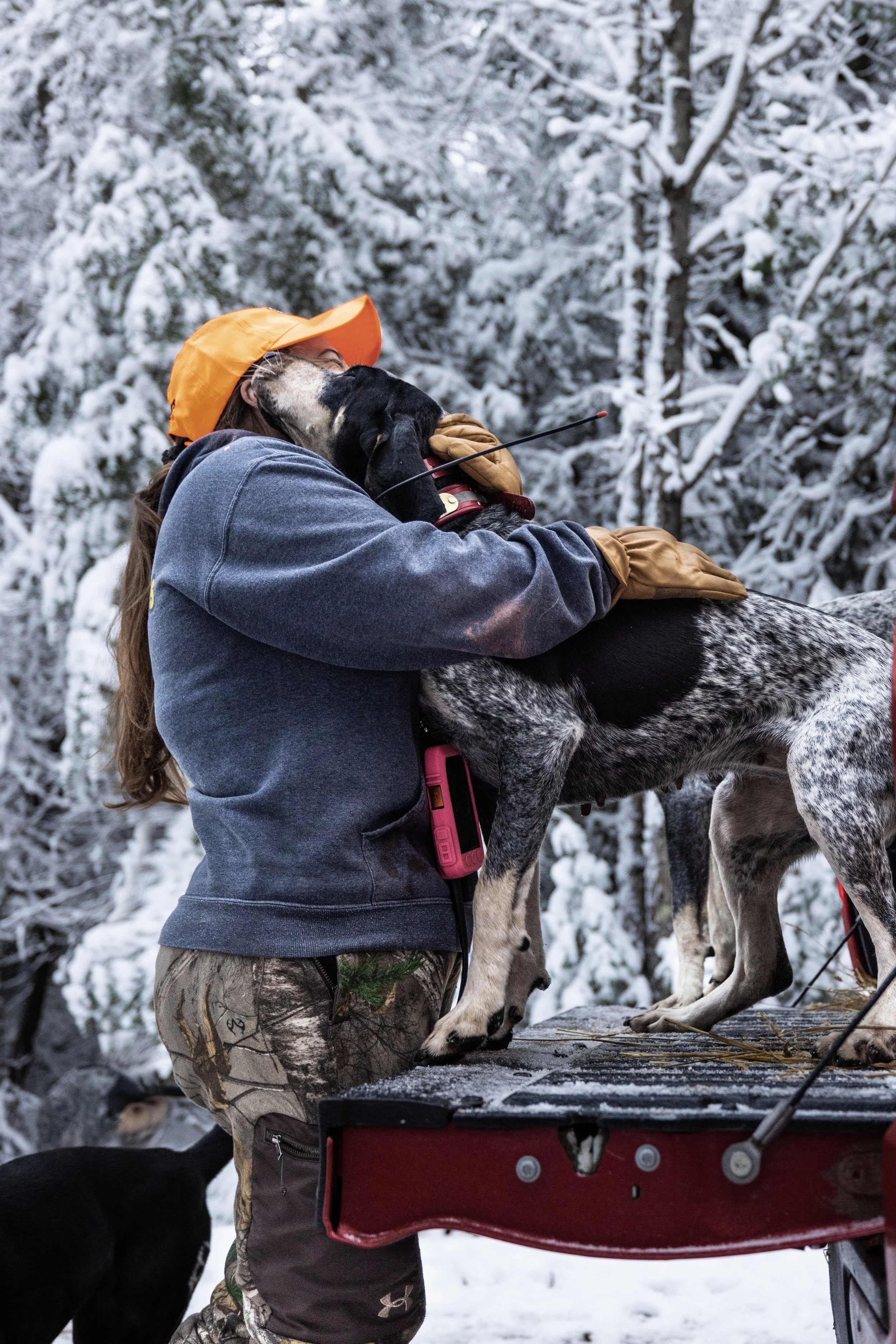
5. Recovery and Safety in the Field
Even with excellent conditioning, recovery is essential. Just like athletes, dogs need proper warm-ups and cool-downs. Before a hunt, light activities such as short jogs or obedience drills help loosen muscles and prepare joints for more demanding work. Afterward, a proper cool-down—slowing activity, drying the coat, and checking paws—reduces stiffness and speeds recovery.
Scheduling rest days is equally important. Hunting several long days in a row can strain even the fittest dogs. Building in recovery days gives muscles and joints time to repair, preventing overuse injuries and ensuring your dog stays sharp.
Handlers should also carry basic field essentials for safety: a towel or blanket for drying and warming, paw balm for protection, and access to fresh water and shelter. Recognizing early signs of hypothermia or overexertion—such as shivering, weakness, or slowed responses—can make all the difference in keeping your dog safe.
Cold weather doesn’t have to slow down a hunting season, but it does require intentional preparation. By building endurance, supporting nutrition and hydration, protecting vulnerable areas, and prioritizing recovery, hunters can ensure their dogs perform safely and effectively in winter environments.
Your dog’s drive and loyalty will carry them far, but it’s up to you to safeguard their health and longevity. With thoughtful conditioning, your hunting partner will stay strong, confident, and ready for every adventure the cold months bring.