Opening Day Ready: Your Hunting Dog’s Pre-Hunt Checklist
From the kennel to the field, preparation makes all the difference. Here’s a list of what to check off before your next hunt.
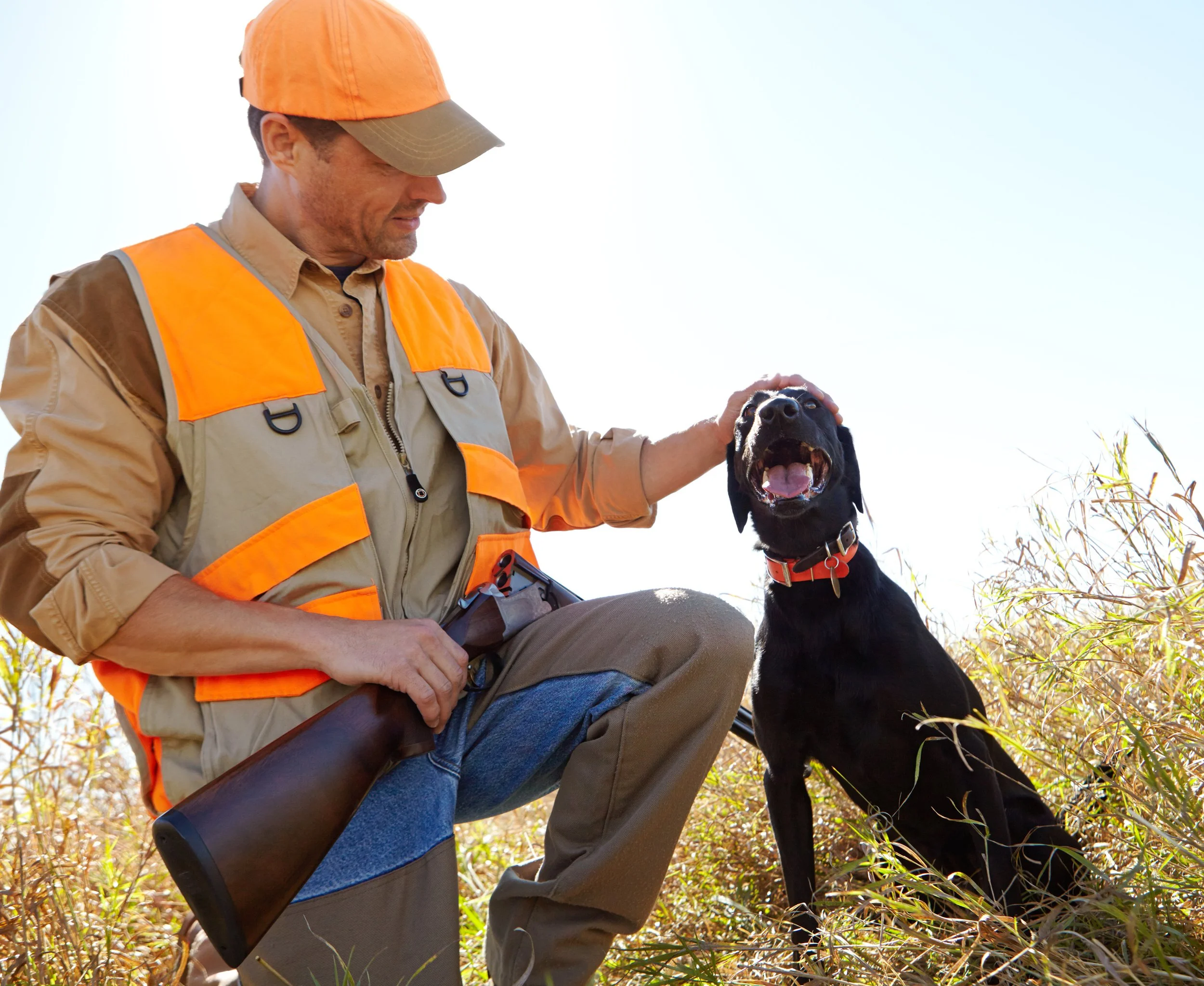
There’s a certain anticipation that comes with the start of hunting season. The gear gets pulled out of storage, the forecast gets checked a dozen times, and plans start coming together long before the sun rises.
For your hunting dog, it’s the beginning of another season doing what they love. But while it’s easy to focus on shotguns, shells, decoys, and hunting locations, one of the most important pieces of equipment you bring into the field isn’t equipment at all. It’s the dog riding beside you.
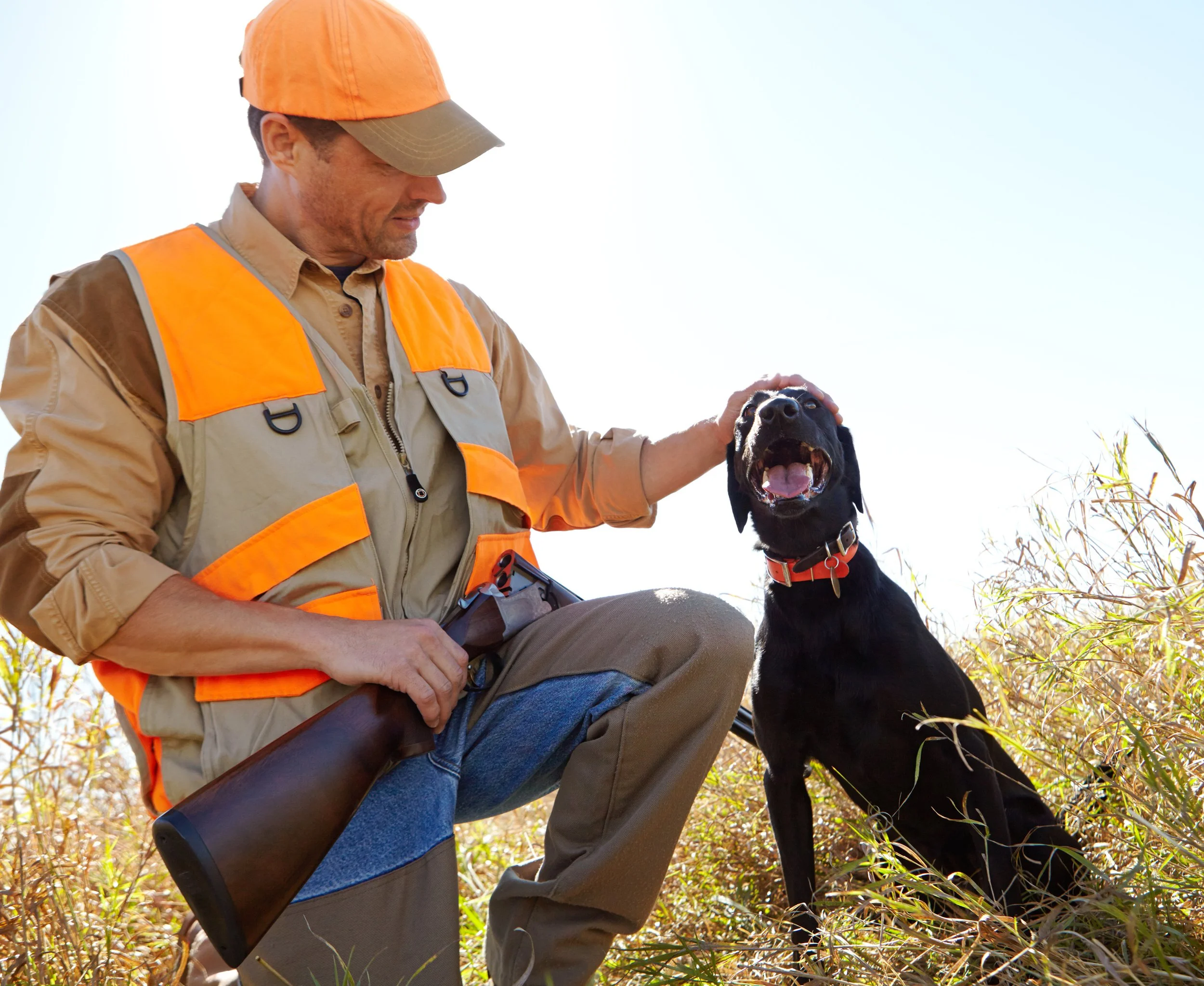
Whether you’re heading into the uplands with a pointing dog, working flooded timber with a retriever, or following a familiar trail with your trusted hunting partner, preparation begins well before opening morning. Before you load up and start the season, run through these six essentials:
1. Make Sure Your Dog Is Field-Ready
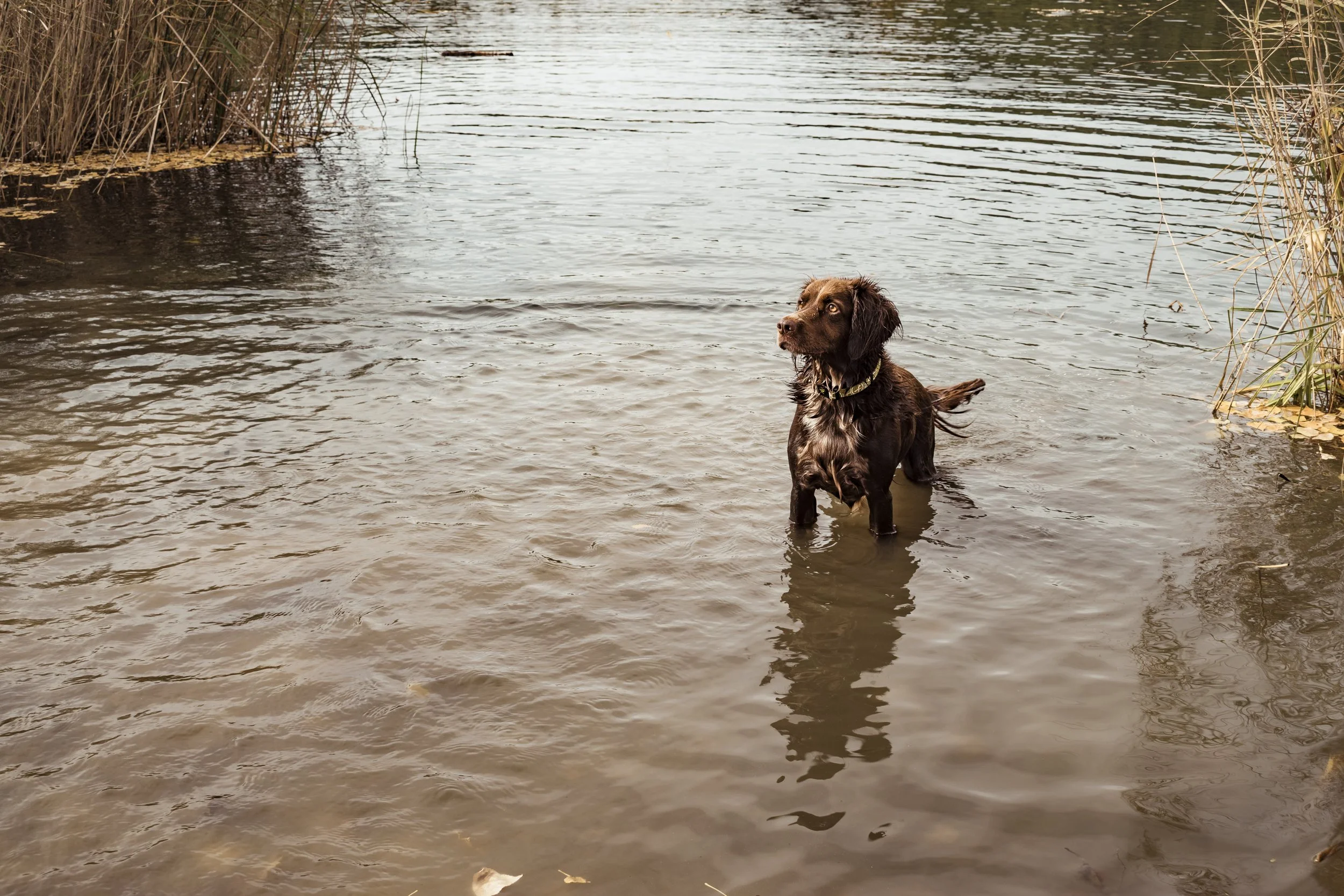
A successful hunting season doesn’t begin on opening day. It begins with the preparation that comes before it. Even experienced hunting dogs can lose conditioning during the offseason. Long days in the field may involve running, swimming, climbing over obstacles, and navigating uneven terrain.
Start with an honest assessment of your dog’s current activity level. Has your dog maintained a regular exercise routine? Have training sessions included the types of movement they’ll encounter during a hunt? Gradually increase activity in the weeks leading up to the season, adjusting for your dog’s age, physical condition, and experience.
If your dog has been inactive, has an existing health concern, or shows signs of discomfort during exercise, consult your veterinarian before beginning hard fieldwork. Don’t make opening morning your dog’s first demanding workout of the season!
2. Refresh the Commands That Matter Most
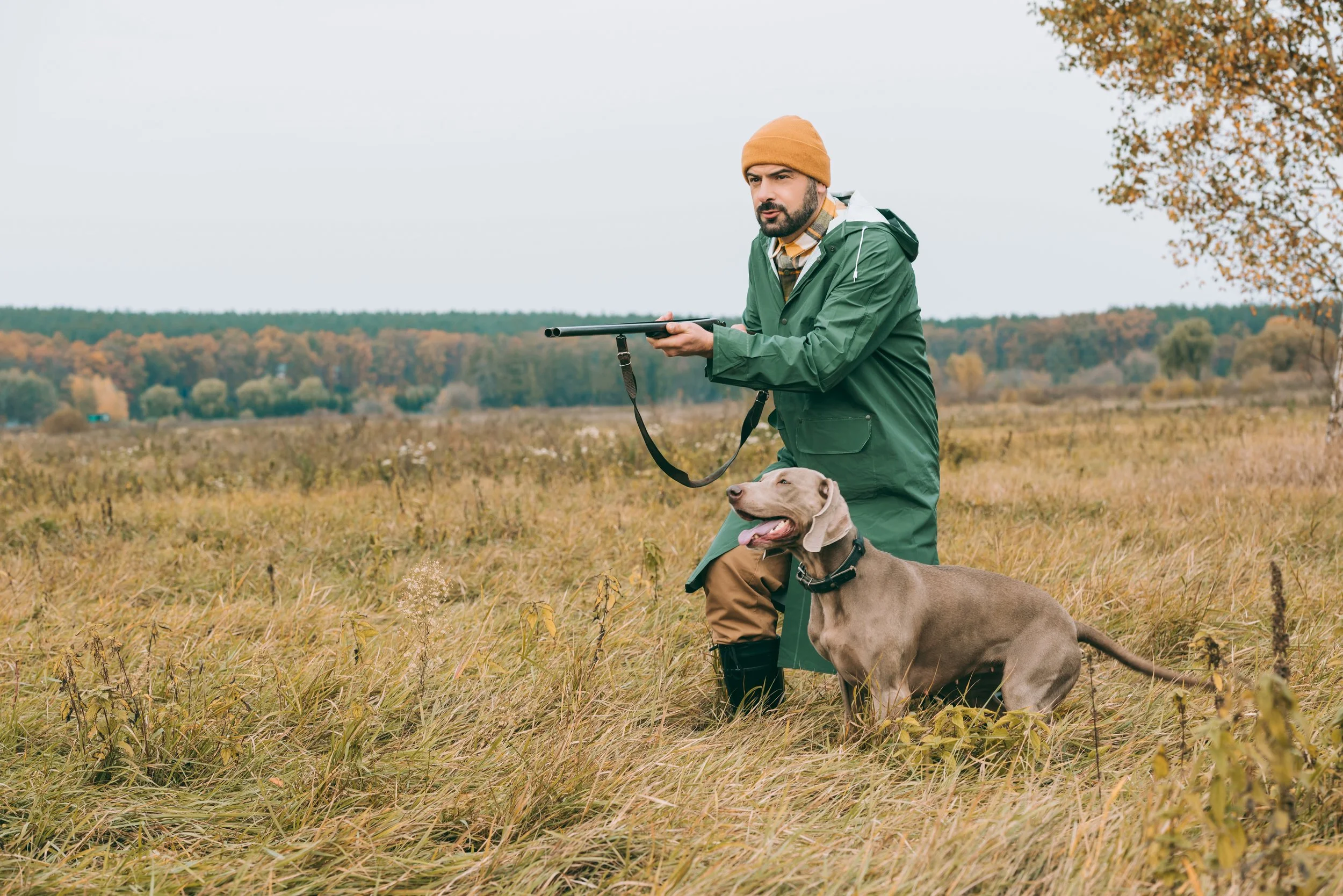
Your dog might remember every detail of last season’s hunts, but a little preseason practice never hurts. Before heading into the field, spend time reinforcing the commands that keep your dog responsive and under control.
• Recall: Returning promptly when called, even with distractions nearby.
• Steadiness: Remaining in position until released, when appropriate for your hunting style.
• Retrieving: Picking up and delivering objects as trained.
• Directional commands: Responding to hand signals or verbal cues when working at a distance.
• Stop or whistle commands: Responding reliably when you need your dog to pause or change direction.
Practice in controlled settings before introducing more challenging environments. Consistency matters: keep training sessions appropriate for your dog’s experience, and reinforce the behaviors you want to see in the field.
3. Inspect Your Field Gear
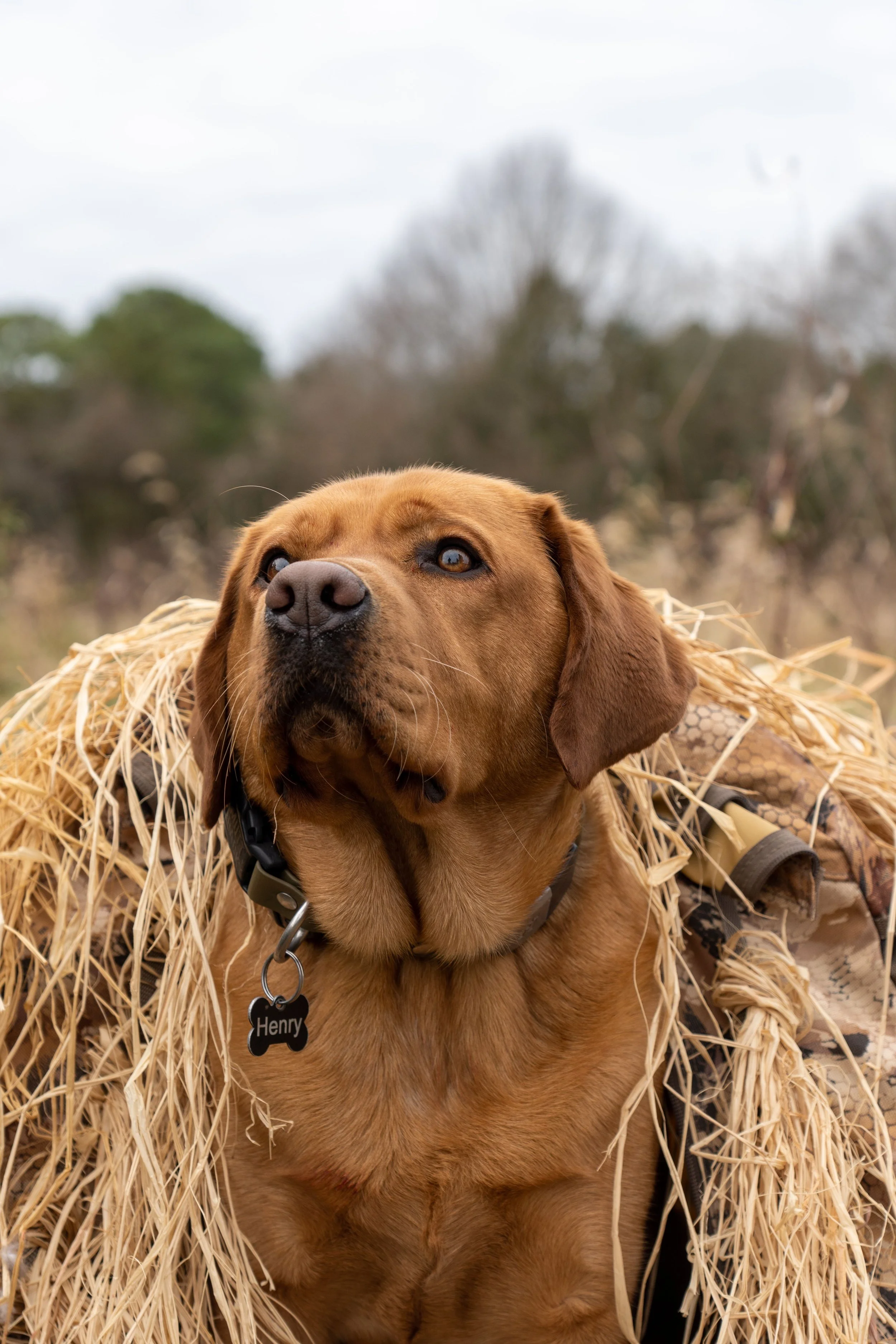
You wouldn’t head out with damaged equipment, and your dog’s gear deserves the same attention. Check collars, identification tags, tracking equipment, harnesses, and protective vests for signs of wear. Make sure everything fits properly and doesn’t restrict movement. If your dog wears a protective vest, check for rubbing or pressure points before extended use.
Consider carrying a canine first-aid kit with supplies appropriate for the conditions you’ll encounter. Familiarize yourself with basic emergency procedures and locate the nearest veterinary emergency service before traveling to unfamiliar hunting areas. Field Tip: Test electronic equipment and charge batteries before leaving home.
4. Plan for Food, Water, and Scheduled Breaks
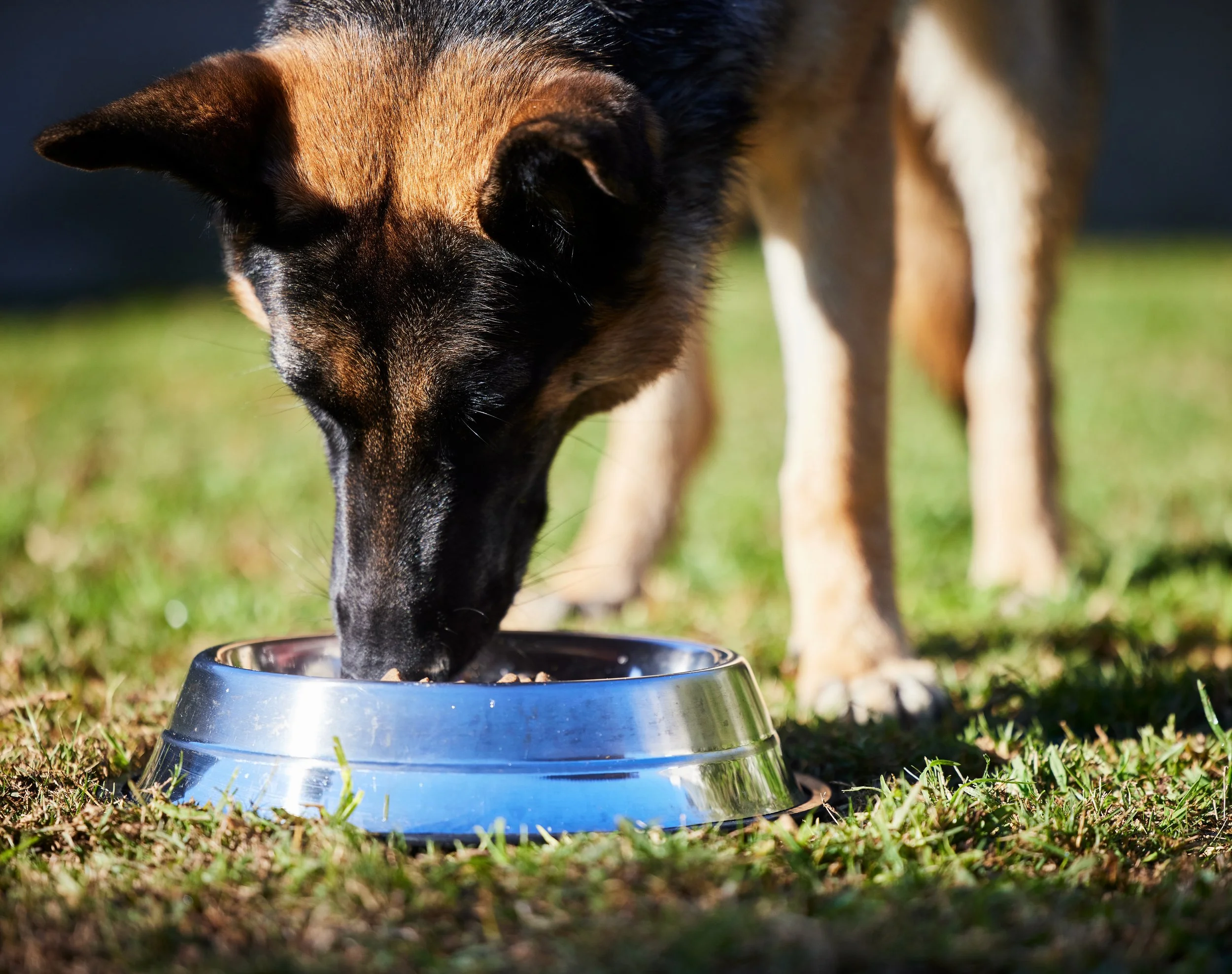
Long days in the field require thoughtful planning, and that includes your dog’s regular feeding routine. Bring an adequate supply of your dog’s usual food and plenty of fresh drinking water. Avoid making abrupt dietary changes immediately before a demanding hunt.
Feeding schedules and portion sizes should account for your dog’s individual needs, activity level, and veterinary recommendations. Offer water regularly throughout the day, including during cooler weather; don’t assume ponds, creeks, or standing water are suitable drinking sources.
Schedule opportunities to rest, especially during demanding hunts or unexpectedly warm conditions. Watch for unusual fatigue, weakness, disorientation, excessive panting, or changes in movement. If your dog shows concerning symptoms, stop the activity and seek veterinary guidance promptly! Pack more drinking water than you think you’ll need!
5. Know the Terrain and Conditions
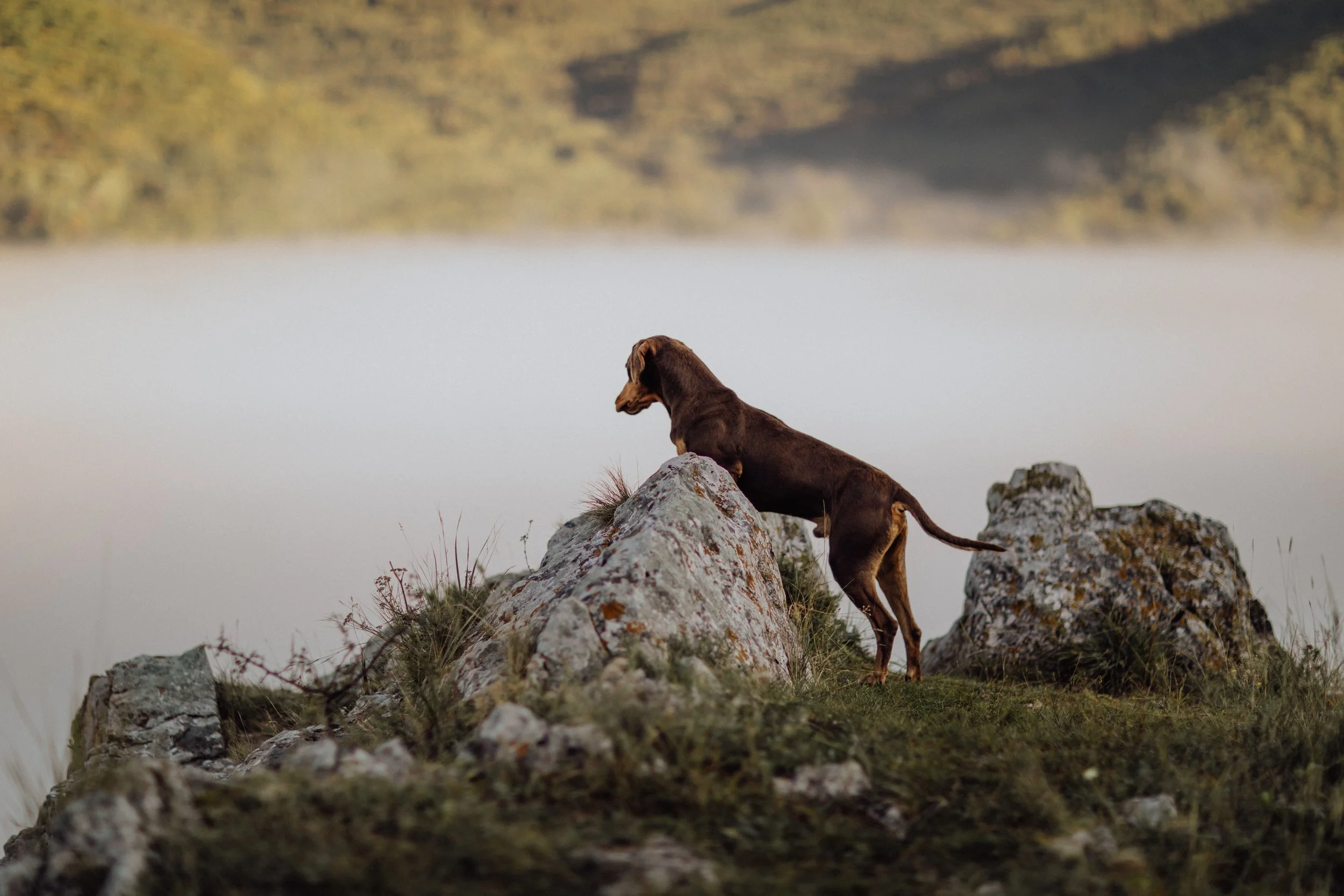
Every hunting environment presents different challenges. Upland fields may contain hidden holes, fences, and dense vegetation. Wetlands can include submerged obstacles, deep water, and unstable footing. Wooded areas may present fallen timber, sharp branches, and difficult terrain.
Before releasing your dog, consider the conditions and whether the area is appropriate for their abilities. Pay attention to forecasts, temperature changes, and local hazards. Check applicable hunting regulations, public-land requirements, and dog restrictions. High-visibility collars or vests may make your dog easier to identify in the field, particularly when hunting with other people.
6. Give Your Dog a Post-Hunt Check
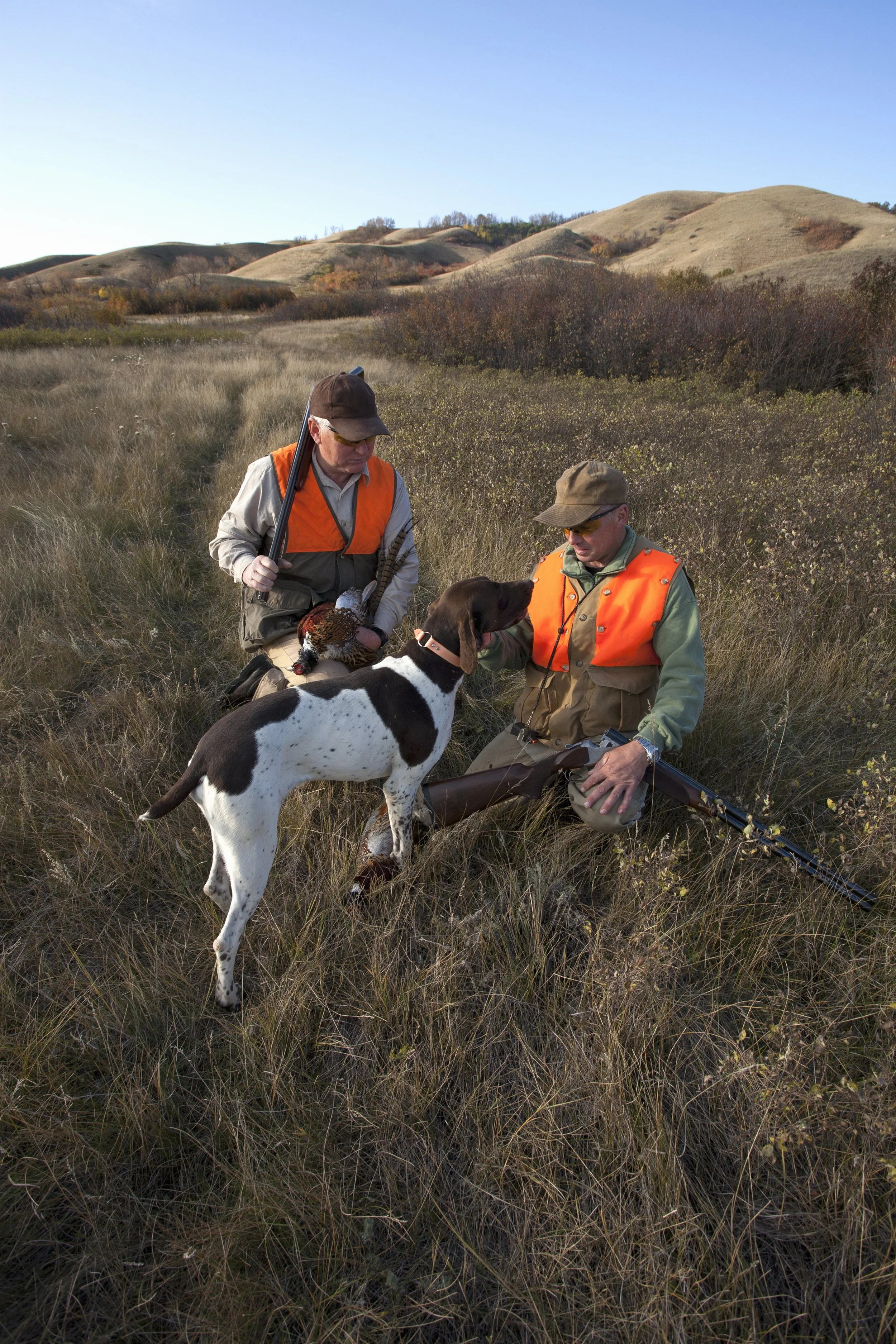
The hunt may be over when the gear gets packed away, but your responsibility to your dog doesn’t end there. After returning from the field, take a few minutes to inspect your dog from nose to tail.
• Cuts, scrapes, or irritated areas
• Burrs, seeds, and debris caught in the coat
• Damage or irritation around paw pads and between toes
• Ticks or other external parasites
• Signs of stiffness, limping, or unusual fatigue
• Moisture or debris around the ears, particularly after water retrieves
Dry your dog when necessary, provide fresh drinking water, and allow time to settle into their normal routine. If you notice injuries, persistent discomfort, or unusual behavior, contact your veterinarian. A few minutes of attention after each hunt can help you recognize potential concerns before your next outing.
The Best Hunts Begin Before Sunrise
There’s nothing quite like watching a well-trained hunting dog work the field. It’s what makes time outdoors so rewarding. But those moments are built on preparation.
From conditioning and training to equipment checks and post-hunt care, the work you put in before and after each hunt is part of being a responsible handler. At Sportsman’s Pride, we understand the dedication that goes into the partnership between working dogs and the people who rely on them.
So before the alarm sounds on opening morning, take a little extra time to prepare your hunting partner. Because a great day in the field starts long before the first bird flies.
Explore Sportsman’s Pride dog foods and treats at SportsmansPride.com.